The Fremont Police Department (FPD) serves as the primary law enforcement agency for the city of Fremont, California, a community of approximately 218,927 residents. Established to uphold public safety through professional policing, FPD operates under the mission of delivering “Public Safety through Professional Law Enforcement” and maintains a vision of “A Continuing Tradition of Excellence.” The department employs 185 sworn officers and 102 professional staff members who work across three core divisions: Administrative, Patrol, and Special Operations. These divisions coordinate to ensure responsive emergency services, crime prevention, community engagement, and investigative support throughout the city’s diverse neighborhoods. FPD’s operational structure is designed to meet the needs of a growing suburban city while maintaining transparency, accountability, and service efficiency.
Fremont is divided into three patrol zones to optimize response times and resource deployment. Zone 1 covers the northeastern sector, Zone 2 includes the northwestern and north-central areas, and Zone 3 spans most of the southern region. Each zone is supervised by a sergeant, with lieutenants serving as watch commanders during shifts. Beyond routine patrols, the department manages specialized units including Traffic Enforcement, K-9 Operations, SWAT, Crime Scene Investigation, Communications (with 20 dispatchers), and School Resource Officers. The Special Operations Division supports over 100 full-time roles and more than 100 volunteers, handling records, animal services, investigations, property management, training, and community programs. This integrated approach ensures comprehensive coverage across urban and residential zones, aligning with state and federal public safety standards.
Department Organization and Leadership
The Fremont Police Department is structured into three main divisions that oversee daily operations, administrative functions, and specialized services. This organizational model supports efficient command, clear accountability, and coordinated responses to community needs. Leadership is distributed across sworn and civilian roles, ensuring both operational expertise and administrative oversight. The Chief of Police leads the department, supported by command staff including captains, lieutenants, and sergeants who manage units within each division. Professional standards, training, and public communication are centralized to maintain consistency and transparency across all functions.
Administrative Division
The Administrative Division serves as the backbone of departmental operations, managing internal oversight, policy development, and public communication. It includes four key offices that ensure compliance, efficiency, and community trust. This division handles non-operational but essential functions such as audits, budgeting, media relations, and ethical compliance.
- Office of Professional Standards and Accountability: Oversees internal investigations, reviews use-of-force incidents, and ensures adherence to departmental policies and state laws.
- Office of Business Services: Manages payroll, procurement, equipment maintenance, and facility operations for all FPD locations.
- Office of the Chief of Police: Directs strategic planning, policy implementation, and interagency coordination with city government and regional law enforcement.
- Media Relations and Public Information Office: Releases official statements, manages press inquiries, and publishes crime alerts and community updates via social media and press briefings.
Patrol Division
The Patrol Division is the most visible arm of the Fremont Police Department, responsible for frontline law enforcement across the city’s three patrol zones. It operates 24/7 with rotating shifts to ensure continuous coverage. The division includes 124 sworn personnel assigned to patrol duties, supported by specialized units that enhance public safety and emergency response.
- Patrol Zones: Zone 1 (northeast), Zone 2 (northwest and north-central), and Zone 3 (southern regions) each have dedicated teams supervised by sergeants.
- Traffic Unit: Comprises 16 officers who enforce traffic laws, investigate collisions, and conduct DUI checkpoints.
- Communications Center: Staffed by 20 dispatchers and 1 technician, this unit handles 911 calls, radio coordination, and emergency dispatch for police, fire, and medical services.
- SWAT Team: A tactical response unit trained for high-risk incidents such as barricaded suspects, active shooters, and hostage situations.
- K-9 Unit: Utilizes trained dogs for narcotics detection, suspect tracking, and evidence recovery.
- Crime Scene Investigators: Collect and process physical evidence from crime scenes, working closely with the Investigations Division.
Special Operations Division
The Special Operations Division integrates investigative, administrative, and community-focused services under one umbrella. With over 100 full-time positions and extensive volunteer support, this division ensures long-term crime reduction, public engagement, and operational continuity. It is led by three lieutenants, five professional managers, and 11 supervisors and sergeants.
- Investigations Unit: Includes 24 detectives specializing in homicide, sexual assault, fraud, and organized crime. They collaborate with the Major Crimes Task Force for complex cases.
- Records Unit: Maintains 14 staff members who process police reports, manage public records requests, and support court proceedings.
- Animal Services: Eight officers respond to animal-related incidents, enforce licensing laws, and operate the city’s animal shelter partnership.
- School Resource Officers (SROs): Seven officers are assigned to local schools to ensure safety, mentor students, and respond to campus incidents.
- Community Engagement and Permits: Manages neighborhood outreach, event permits, and volunteer coordination, including the Citizens on Patrol program.
- Property and Evidence: Three officers oversee the secure storage, cataloging, and disposal of evidence and found property.
- Personnel and Training: Five staff members handle recruitment, academy coordination, in-service training, and certification tracking.
Public Records and Report Requests
The Fremont Police Department handles public records requests under the California Public Records Act (CPRA). Individuals such as residents, journalists, attorneys, and researchers may request police reports, incident summaries, and other non-exempt records. All requests are processed by the department’s Records Unit, which applies required redactions for privacy and active investigations.
How to Request Police Reports
Police reports can be requested through the official Fremont Police Department website.
- https://www.fremontpolice.gov/
- From the homepage, navigate to:
Services → Police Records / Records Requests
Request Process
- Submit a records request form through the official portal
- Provide case number (if available) or incident details
- Select report type (Incident, Traffic Collision, Supplemental)
- Upload valid identification if required
- Submit a request for processing
Typical Information Included
- Date, time, and location of the incident
- Responding officers
- Case summary
- Status of investigation
- Redacted sensitive information
Processing times and fees may vary depending on report type and complexity.
Arrest and Booking Information
Fremont does not operate its own jail facility. Arrest and custody information is handled at the county level.
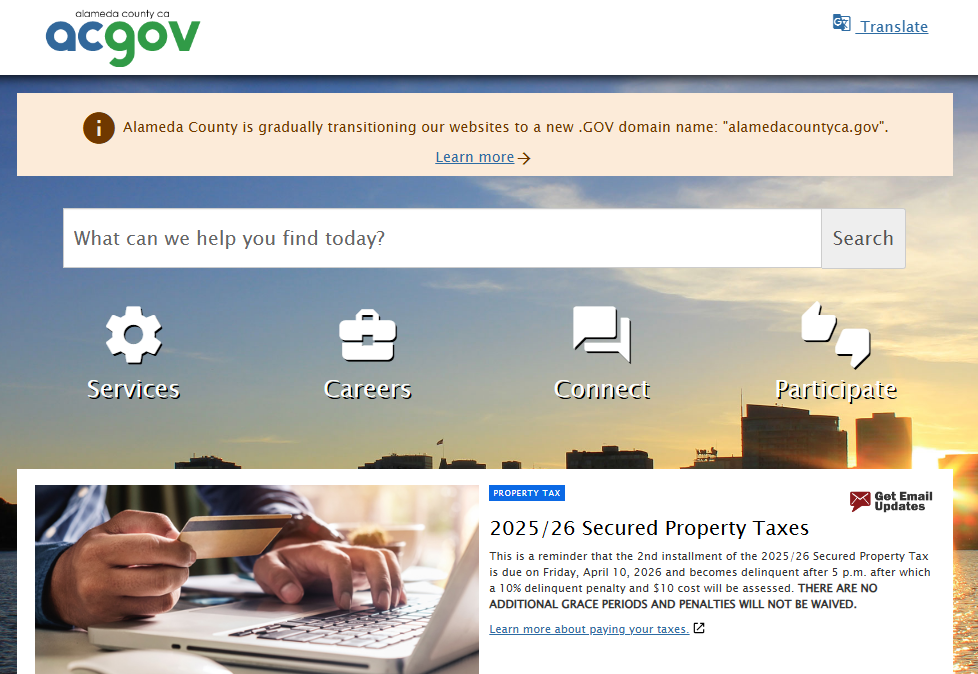
- Residents can view general arrest information through Alameda County resources:
- https://www.acgov.org/
- Navigate to:
Sheriff / Jail Information / Inmate Search
Available Information May Include
- Name and age
- Booking date
- Charges
- Custody status
- Release status
Crime Activity and Public Safety Updates
The Fremont Police Department may publish general crime updates and public safety information through its official website.
- https://www.fremontpolice.gov/
- Navigate to:
News / Public Safety Updates / Crime Information
Crime Statistics and Public Safety Data
The Fremont Police Department annually reports crime data to provide transparency and inform community safety strategies. In the most recent reporting period, the city recorded 4,565 total crimes, with violent crime accounting for 7% and property crime making up 93%. These figures reflect a stable trend compared to previous years, with slight fluctuations in specific categories. The data is used to allocate resources, guide patrol patterns, and evaluate the effectiveness of prevention programs. All statistics are compiled in accordance with the FBI’s Uniform Crime Reporting (UCR) standards and are publicly accessible through the department’s website and annual reports.
Violent Crime Breakdown
Violent crimes in Fremont include homicide, rape, robbery, and aggravated assault. These offenses are closely monitored due to their impact on community perception and safety. The department prioritizes rapid response and thorough investigation for all violent incidents. In the latest data, there were 306 violent crimes reported annually, equating to 1.40 incidents per 1,000 residents.
- Homicides: 2 cases (0.01 per 1,000 residents)
- Rapes: 14 cases (0.06 per 1,000 residents)
- Robberies: 132 cases (0.60 per 1,000 residents)
- Aggravated Assaults: 158 cases (0.72 per 1,000 residents)
Residents have a 1 in 715 annual chance of becoming a victim of violent crime. The department attributes low violent crime rates to proactive policing, community partnerships, and targeted enforcement in high-risk areas.
Property Crime Overview
Property crimes represent the majority of offenses in Fremont, with 4,259 incidents reported annually. These include burglary, theft, and motor vehicle theft. While less severe than violent crimes, they significantly affect quality of life and economic stability. The department uses crime mapping and predictive analytics to identify hotspots and deploy preventive measures.
- Burglaries: 1,176 cases (5.37 per 1,000 residents)
- Thefts: 2,502 cases (11.43 per 1,000 residents)
- Motor Vehicle Thefts: 581 cases (2.65 per 1,000 residents)
The annual risk of property crime victimization is 1 in 51. The department encourages residents to use security systems, report suspicious activity, and participate in neighborhood watch programs to reduce exposure.
Crime Reporting and Transparency ToolsThe
Fremont Police Department provides multiple digital tools for residents to access crime data and stay informed. These platforms allow users to view real-time and historical crime activity, enhancing public awareness and trust. All tools are updated regularly and comply with California public records laws.
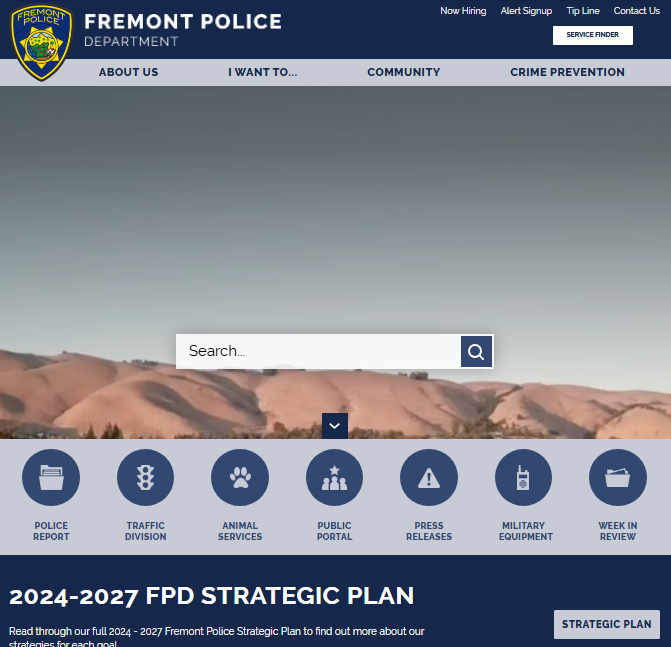
- Interactive Crime Map: Available at https://www.fremontpolice.gov/, this tool displays publicly available crime reports by location and type.
- Missing Persons Registry: Lists active missing persons cases with photos, last known locations, and contact details for tips.
- Most Wanted List: Features individuals sought for serious crimes, including warrant details and reward information.
- Sex Offender Locator: Links to the California Department of Justice database for registered sex offenders in Fremont and surrounding areas.
Community Outreach and Safety Programs
The Fremont Police Department actively engages with the community through outreach initiatives designed to build trust, prevent crime, and promote public safety. These programs target diverse age groups and neighborhoods, emphasizing education, collaboration, and accessibility. The department partners with schools, faith-based organizations, local businesses, and volunteer groups to deliver services that go beyond traditional law enforcement. Outreach efforts are coordinated by the Community Engagement unit within the Special Operations Division and supported by sworn officers and civilian staff.
School Safety and Youth Programs
FPD places strong emphasis on youth safety and development through school-based programs. Seven School Resource Officers (SROs) are assigned to public and private schools across Fremont, serving as liaisons between law enforcement and the educational community. SROs conduct safety drills, teach law-related education, and provide mentorship to students.
- DARE Program: Teaches elementary students about drug abuse prevention, decision-making, and peer pressure resistance.
- Teen Academy: A summer program for high school students to learn about police operations, ethics, and career opportunities.
- Safe Routes to School: Collaborates with city planners to improve pedestrian and bicycle safety around campuses.
- Bicycle Rodeo: Annual event teaching children traffic rules, helmet use, and bike maintenance.
SROs also respond to on-campus incidents, mediate conflicts, and assist in emergencies such as lockdowns or medical emergencies.
Neighborhood Watch and Volunteer Programs
Residents are encouraged to participate in neighborhood watch programs and volunteer opportunities that enhance community policing. These initiatives empower citizens to take an active role in public safety while fostering stronger relationships with law enforcement.
- Citizens on Patrol (COP): Trained volunteers conduct vehicle patrols in residential areas, report suspicious activity, and assist at community events. Volunteers undergo background checks and 40 hours of training.
- Neighborhood Watch: Block captains organize meetings, distribute safety materials, and coordinate with FPD for crime prevention workshops.
- Senior Safety Seminars: Held quarterly at community centers, these sessions cover fraud prevention, emergency preparedness, and home security.
- Business Watch: Connects local retailers with police to reduce shoplifting, vandalism, and robbery through shared intelligence and rapid reporting.
Volunteers contribute over 10,000 hours annually, supporting events like National Night Out, holiday safety campaigns, and disaster preparedness drills.
Public Safety Education and Alerts
FPD provides ongoing education to help residents protect themselves and their property. Safety tips are distributed through social media, newsletters, and public workshops. The department also uses emergency alert systems to notify the community of immediate threats.
- Social Media Alerts: Posted on Twitter (@FremontPolice) and Facebook for real-time updates on traffic, crimes, and emergencies.
- Emergency Notification System: Residents can sign up for Nixle alerts at https://www.nixle.com/ to receive text or email notifications about AMBER Alerts, road closures, and public safety warnings.
- Safety Tip Sheets: Available in English, Spanish, and Chinese, covering topics like identity theft, cybercrime, and home burglary prevention.
- Active Shooter Preparedness: Workshops teach the “Run, Hide, Fight” protocol and are offered to businesses, schools, and religious institutions.
Employment and Hiring Process
The Fremont Police Department offers career opportunities for sworn officers, dispatchers, and civilian staff. The hiring process is rigorous and designed to identify candidates with strong moral character, physical fitness, and problem-solving skills. FPD is committed to diversity, equity, and inclusion, actively recruiting from all backgrounds to reflect the community it serves. All positions require background investigations, psychological evaluations, and medical exams to ensure suitability for public safety roles.
Sworn Officer Recruitment
Becoming a police officer with FPD involves multiple stages, from application to field training. The department seeks individuals who demonstrate integrity, empathy, and a commitment to service. Candidates must meet state and departmental standards set by the California Commission on Peace Officer Standards and Training (POST).
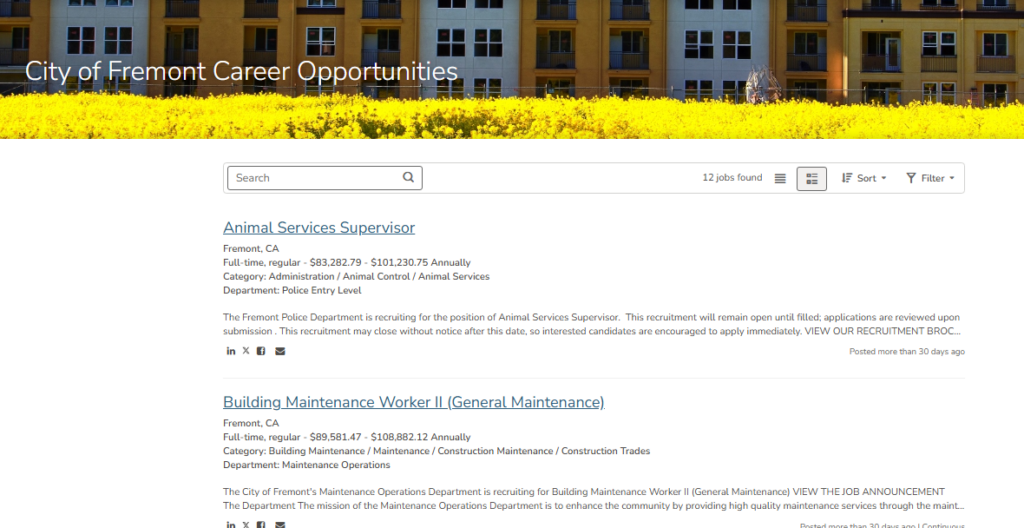
- Application: Submit online via the City of Fremont’s job portal at https://www.governmentjobs.com/careers/fremontca. Include resume, cover letter, and POST certificate (if applicable).
- Written Exam: Administered by PELLETB (Post Entry-Level Law Enforcement Test Battery). Minimum score of 42 (T-Score) required.
- Physical Agility Test: Includes 1.5-mile run (15:30 max), push-ups (25 in 1 minute), and sit-ups (35 in 1 minute).
- Oral Interview: Panel interview assessing communication, judgment, and situational response.
- Background Investigation: 60–90 day review of criminal history, employment, credit, and personal references.
- Polygraph and Psychological Exam: Conducted by licensed professionals to evaluate honesty and mental fitness.
- Medical Exam: Includes vision, hearing, cardiovascular, and drug screening.
- Academy Training: 26-week program at a POST-certified academy, covering law, tactics, firearms, and ethics.
- Field Training Program: 16 weeks of supervised patrol duty before solo assignment.
Starting salary for a Police Officer is $98,520 annually, with benefits including health insurance, retirement pension, and tuition reimbursement.
Dispatcher and Civilian Positions
Communications dispatchers and civilian staff play critical roles in public safety operations. These positions require strong multitasking abilities, clear communication, and emotional resilience. Training includes emergency call handling, radio procedures, and computer-aided dispatch (CAD) systems.
- Dispatcher I: Entry-level role requiring a high school diploma and customer service experience. Starting salary: $68,000.
- Records Technician: Manages report processing and data entry. Requires clerical skills and attention to detail.
- Animal Services Officer: Handles animal control calls and shelter operations. Requires state certification.
- Crime Analyst: Uses data software to identify crime patterns and support investigations. Bachelor’s degree preferred.
All civilian applicants undergo background checks and may be required to pass typing tests or software assessments.
Volunteer and Internship Opportunities
FPD offers unpaid volunteer and internship programs for students and community members interested in law enforcement careers. These programs provide hands-on experience and exposure to daily operations.
- Police Explorer Program: For ages 14–21, includes training in patrol procedures, crime scene processing, and community service.
- Internships: College students can apply for semester-long placements in Records, Crime Analysis, or Community Engagement.
- Reserve Officer Program: Certified officers who serve part-time, supporting special events and emergencies.
Applications are accepted year-round through the FPD website’s “Careers” section.
Emergency Response and Dispatch Operations
The Fremont Police Department’s Communications Center is the nerve center for all emergency and non-emergency responses. Staffed 24/7 by trained dispatchers, it handles approximately 150,000 calls annually, including 911 emergencies, traffic reports, and service requests. The center uses advanced technology to coordinate police, fire, and medical units across the city. Dispatchers are certified by the Association of Public-Safety Communications Officials (APCO) and undergo continuous training in crisis communication, call prioritization, and emergency protocols.
911 Call Handling Procedures
When a 911 call is received, dispatchers follow a standardized protocol to gather critical information and deploy resources efficiently. The process is designed to minimize response time and ensure caller safety.
- Call Reception: The call is routed to the Fremont Communications Center via Alameda County’s regional 911 system.
- Location Verification: Dispatchers confirm the caller’s location using GPS data from mobile phones or landline records.
- Nature of Emergency: The dispatcher asks: “What is the address of the emergency?” and “What is happening?” to classify the incident (e.g., medical, fire, crime in progress).
- Resource Dispatch: Based on the response, police units, fire engines, or ambulances are assigned via a computer-aided dispatch (CAD) system.
- Ongoing Support: Dispatchers remain on the line to provide pre-arrival instructions (e.g., CPR guidance) and update responding units.
All calls are recorded and stored for 90 days in compliance with state law. Transcripts may be released via a public records request.
Non-Emergency Reporting System
For incidents that do not require immediate response, residents can contact the non-emergency line or use online tools. This helps reduce 911 congestion and ensures appropriate resource allocation.
- Non-Emergency Phone Number: (510) 790-6000. Available 24/7 for reports such as noise complaints, minor thefts, or lost property.
- Online Reporting Portal: At https://www.fremontpolice.gov/, residents can file reports for vandalism, theft under $500, and vehicle burglaries.
- Steps to File Online: Select incident type, enter date and location, describe what happened, upload photos (optional), and submit. A case number is issued within 24 hours.
Reports submitted online are reviewed by patrol supervisors and assigned for follow-up if needed.
Traffic and Accident Response
The Traffic Unit responds to collisions, enforces traffic laws, and conducts safety campaigns. Officers investigate accidents to determine cause, issue citations, and assist with towing and cleanup.
- Collision Reporting: Drivers must report accidents involving injury, death, or property damage over $1,000. Reports can be filed online or at the police station.
- DUI Enforcement: Patrol officers conduct sobriety checkpoints and use breathalyzers to detect impaired drivers.
- Speed Enforcement: Radar and laser devices are used on high-risk roads like Auto Mall Parkway and Mission Boulevard.
Traffic data is analyzed monthly to identify trends and adjust enforcement strategies.
| Address | 2000 Stevenson Blvd, Fremont, CA 94538 |
| Phone | (510) 790-6000 (Non-Emergency) 911 (Emergency) |
| Hours | Front Desk: Mon–Fri, 8:00 AM – 5:00 PM Communications: 24/7 |
(FAQs) About the Fremont Police Department
The Frequently Asked Questions (FAQs) section for the Fremont Police Department provides essential guidance on how residents can access police records, contact non-emergency services, understand public safety tools, and learn about recruitment and specialized units. It is designed to help the public quickly find accurate information about reporting procedures, available services, and ways to stay informed about community safety in Fremont.
How do I obtain a copy of a police report from the Fremont Police Department?
To request a police report, visit the official FPD website and navigate to the Police Records Requests page. Click “Submit a Records Request” and complete the online form. You must provide the case number, date, location, and names of involved parties. Upload a copy of your government-issued ID for verification. Fees apply: $15 for incident reports and $25 for collision reports. Processing takes 5–10 business days. The system returns a redacted PDF containing the date, time, location, responding officers, and summary of events. Sensitive information, such as Social Security numbers and witness details are removed to protect privacy.
What is the non-emergency phone number for the Fremont Police Department?
The non-emergency number for the Fremont Police Department is (510) 790-6000. This line is available 24 hours a day, 7 days a week, for reporting incidents that do not require immediate police response, such as noise complaints, minor thefts, lost property, or suspicious activity. For life-threatening emergencies, always call 911. The non-emergency line connects callers directly to the Communications Center, where trained dispatchers log the report and assign it to the appropriate unit. Callers should provide their name, contact information, and a detailed description of the incident to ensure accurate documentation and follow-up.
How can I view recent crime activity in my neighborhood?
Residents can access real-time and historical crime data through the Fremont Police Department’s interactive crime mapping tool. Go to the FPD website and select “Crime Mapping” from the menu. The map displays publicly available incidents by type (e.g., theft, assault, burglary) and location, generalized to the block level for privacy. Users can filter by date range, crime category, and zone. Each pin shows the case number, date, time, and general location. This tool is updated daily and helps residents stay informed about local safety trends. For detailed reports, a formal records request must be submitted through the Records Unit.
What are the requirements to become a police officer with the Fremont Police Department?
Candidates must be at least 21 years old, U.S. citizens, and possess a high school diploma or GED. A valid California driver’s license is required. Applicants must pass the PELLETB written exam with a T-Score of 42 or higher, complete a physical agility test, and undergo a thorough background investigation. Additional steps include a polygraph exam, psychological evaluation, medical exam, and 26-week academy training. Prior military or law enforcement experience is beneficial but not required. The department emphasizes integrity, communication skills, and community orientation throughout the selection process.
Does the Fremont Police Department have a K-9 unit?
Yes, the Fremont Police Department operates an active K-9 unit as part of its Patrol Division. The unit consists of several highly trained dogs and their handlers, who work together in narcotics detection, suspect tracking, evidence recovery, and search operations. K-9 teams are deployed during traffic stops, building searches, and large public events. The dogs are trained at certified facilities and undergo regular evaluations to maintain performance standards. The unit also participates in community demonstrations to educate the public about police work. All K-9 officers are sworn personnel who receive specialized training in animal handling and tactical operations.
How do I report a missing person in Fremont?
To report a missing person, contact the Fremont Police Department immediately by calling 911 if the person is under 18, endangered, or missing under suspicious circumstances. For adults, call the non-emergency line at (510) 790-6000. Provide the person’s full name, age, physical description, last known location, clothing, and any medical conditions. Photos and recent contact information are helpful. FPD will initiate an investigation and may issue a statewide alert if criteria are met. Reports can also be filed in person at the police station. There is no waiting period to report a missing person in California.